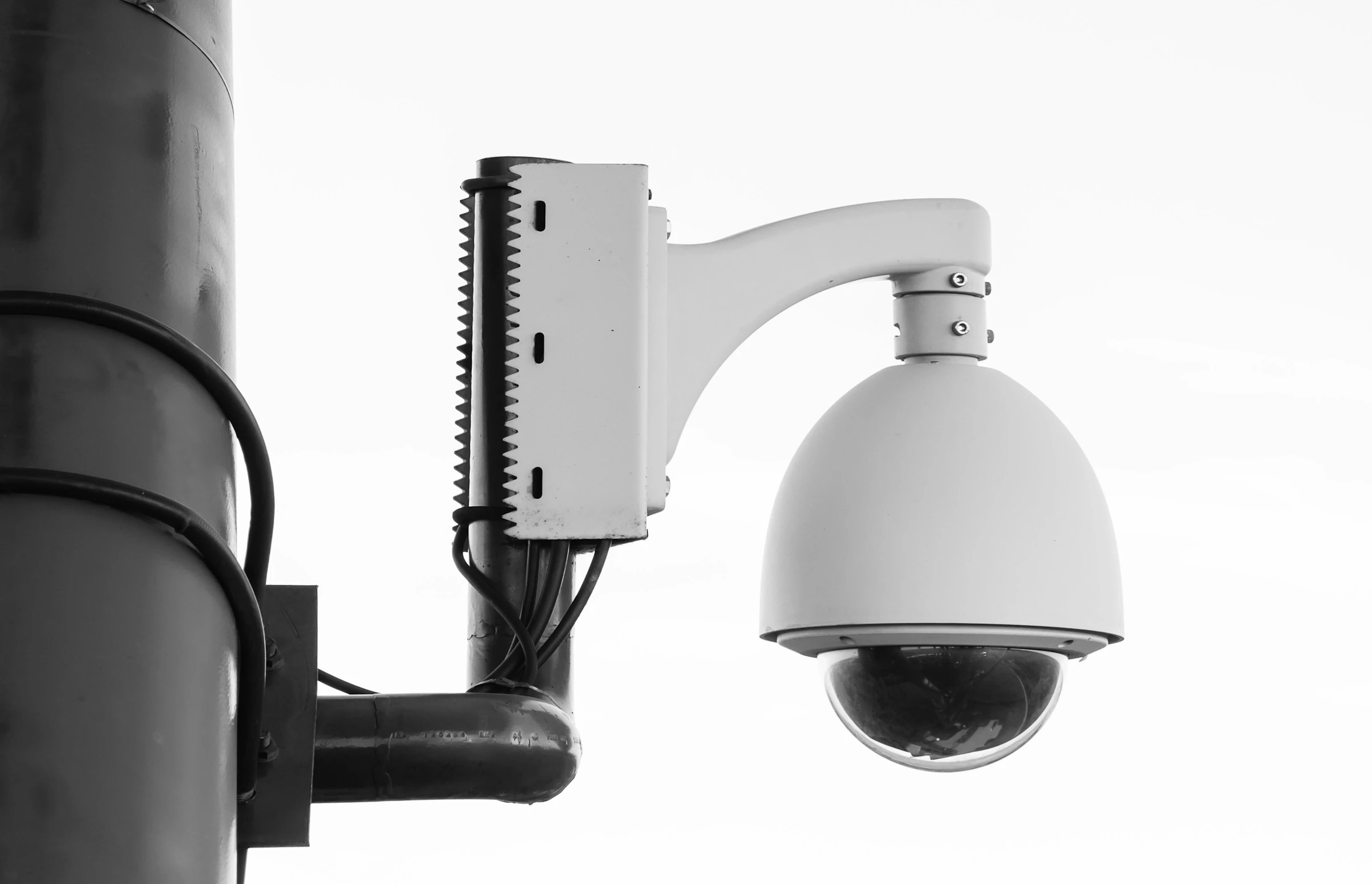
Most properties in the UK that have CCTV installed are not actually being monitored. The cameras record footage to a local hard drive or cloud storage, and that footage only gets reviewed after something has already happened. The break-in has occurred, the damage is done, and someone sits down to scrub through hours of video hoping to find something useful. Remote CCTV monitoring is a fundamentally different approach. Instead of recording evidence of a crime that has already taken place, monitored CCTV aims to detect, verify, and respond to threats in real time, often preventing the incident from happening at all.
Recording vs Monitoring: The Critical Difference
A standard CCTV system records continuously or when motion is detected. The footage sits on a recorder or in the cloud until someone decides to look at it. This has obvious value for investigations and insurance claims, but it does nothing to stop an intruder while they are on your property.
A remotely monitored system adds a human layer. Trained operators in a monitoring centre receive alerts from the cameras, assess the footage in real time, and take action based on what they see. The cameras are no longer passive recorders. They become the eyes of a security team that is watching around the clock, ready to respond within seconds of a threat being detected.
This distinction matters enormously for properties that are unoccupied overnight, at weekends, or for extended periods. A recorded system tells you what happened. A monitored system tries to stop it from happening.
How the Monitoring Centre Works
A professional monitoring centre, sometimes called an Alarm Receiving Centre (ARC), is a staffed facility that operates 24 hours a day, 365 days a year. Operators sit in front of banks of screens and manage alerts from hundreds or thousands of cameras across multiple sites.
The process typically works like this:
- Detection. A camera detects motion, a sensor triggers, or analytics software identifies unusual activity. Not every movement generates an alert. Modern systems use video analytics to filter out irrelevant triggers like animals, swaying branches, or passing headlights. Only events that match defined criteria are escalated to an operator.
- Verification. When an alert is received, the operator reviews the live feed and any recorded footage from the moments before the trigger. The goal is to determine whether the alert represents a genuine security threat or a false alarm. This step is critical. Without verification, every alert would generate a response, and the vast majority of motion triggers on any CCTV system are not security incidents.
- Response. If the operator confirms a genuine threat, they follow a pre-agreed response protocol. This might include issuing an audio warning through on-site speakers, contacting the keyholder, dispatching a mobile patrol unit, or calling the police. Many monitoring centres can activate on-site deterrents like sirens, strobe lights, or pre-recorded voice warnings to interrupt the intruder before a response team arrives.
- Reporting. Every alert, whether genuine or false, is logged with timestamps, operator notes, and any actions taken. This creates a detailed audit trail that is valuable for security reviews, insurance purposes, and identifying patterns that might indicate a developing threat.
The best monitoring centres hold accreditation from the National Security Inspectorate (NSI) or the Security Systems and Alarms Inspection Board (SSAIB). These accreditations require the centre to meet specific standards for staffing, training, procedures, and system resilience. If you are choosing a monitoring provider, NSI Gold or SSAIB accreditation should be a baseline requirement.
Alert Verification and Why It Matters
False alarms are the biggest operational challenge in CCTV monitoring. A system that generates dozens of false alerts per night quickly becomes background noise. Operators stop paying close attention, genuine threats get missed, and the whole system loses its effectiveness.
Modern monitoring systems address this through multiple layers of filtering:
Video analytics use software to analyse the camera feed and identify specific types of activity. A person walking across a car park triggers an alert. A cat doing the same thing does not. Analytics can also define virtual tripwires and exclusion zones, so movement in expected areas (like a public pavement visible from the camera) is ignored while movement in restricted areas triggers an immediate alert.
Multi-sensor verification requires more than one detection method to trigger an alert. For example, a motion sensor and a camera must both detect activity in the same area within a defined time window. This dramatically reduces false alarms caused by a single sensor misfiring.
Human verification is the final layer. An experienced operator can assess a live video feed and determine within seconds whether the activity is a security threat or a harmless event. This human judgement is what separates effective monitoring from a system that simply forwards every alert to your phone at 3am.
Mobile App Access
Most modern monitoring systems provide mobile app access, allowing property owners and managers to view live feeds, review recorded footage, and receive alert notifications on their phone or tablet. This does not replace professional monitoring, but it provides an additional layer of awareness and control.
Mobile access is particularly useful for property managers who oversee multiple sites. You can check in on any property at any time, share footage clips with relevant parties, and stay informed about what is happening across your portfolio without being physically present. Some systems also allow you to communicate with the monitoring centre through the app, providing additional context about expected activity or authorised visitors.
Cost Comparison: Remote Monitoring vs On-Site Guards
One of the strongest arguments for remote CCTV monitoring is cost. A single SIA-licensed security guard working a twelve-hour night shift costs between one hundred and fifty and two hundred and fifty pounds per night, depending on location and the nature of the site. Over a month, that adds up to between four and a half and seven and a half thousand pounds, and that covers only one site.
Remote CCTV monitoring for a typical commercial property costs between two hundred and five hundred pounds per month, depending on the number of cameras and the level of service. Even when you factor in the initial cost of installing cameras and connectivity equipment, the economics are significantly in favour of remote monitoring for most properties.
This does not mean remote monitoring replaces on-site guards in every situation. For high-risk sites where an immediate physical presence is essential, such as construction sites with high-value plant or properties facing an active threat, there is no substitute for having someone on the ground. But for the majority of commercial and vacant properties, remote monitoring delivers a comparable level of protection at a fraction of the cost.
The most effective approach for many sites is a hybrid model: remote monitoring provides continuous oversight, with mobile patrol response dispatched only when the monitoring centre verifies a genuine incident. This gives you the 24/7 coverage of a static guard at closer to the cost of monitoring alone.
Ideal Use Cases
Remote CCTV monitoring is particularly well-suited to certain types of property and situation:
- Vacant properties. Buildings awaiting sale, redevelopment, or new tenants are prime targets for squatters, vandals, and metal thieves. Remote monitoring provides continuous protection without the cost of on-site security personnel, and temporary wireless camera systems can be installed quickly without mains power.
- Overnight commercial premises. Offices, retail units, and warehouses that are staffed during the day but empty at night benefit from monitoring that covers the high-risk overnight period without the expense of a night guard.
- Construction sites. Plant, materials, and equipment on construction sites are high-value targets. Remote monitoring with audio deterrents can interrupt theft attempts in real time and provide evidence for prosecution.
- Multi-site portfolios. Property managers overseeing multiple buildings can centralise monitoring through a single provider, gaining consistent security coverage and reporting across all sites.
Technology Requirements
For remote monitoring to work effectively, the on-site technology needs to meet certain minimum requirements:
Connectivity is essential. The cameras need a reliable data connection to stream footage to the monitoring centre. For most commercial properties, a wired broadband connection works well. For vacant or remote sites where no broadband is available, 4G or 5G cellular connections provide a reliable alternative. Some systems use dual connectivity, with a primary broadband connection and 4G failover, to ensure the link is maintained even if one connection drops.
Camera quality directly affects the monitoring centre's ability to verify alerts. Cameras need to produce clear footage in all conditions, including complete darkness. A minimum resolution of 2 megapixels is standard for monitored systems, with 4 megapixels or higher recommended for areas where identification of individuals is important. Infrared or starlight sensors are essential for night-time performance.
Cloud and local storage should work together. Cloud storage ensures footage is preserved even if on-site equipment is stolen or damaged. Local storage on an NVR (Network Video Recorder) provides a backup and allows faster access to recent footage. A good system records locally and uploads key clips and alert footage to the cloud automatically.
The technology is mature, reliable, and more affordable than it has ever been. The barrier to effective remote monitoring is no longer cost or complexity. It is simply knowing that the option exists and understanding what it can do for your property.
Interested in Remote CCTV Monitoring?
We can design and install a monitored CCTV system tailored to your property, with 24/7 coverage from an accredited monitoring centre.