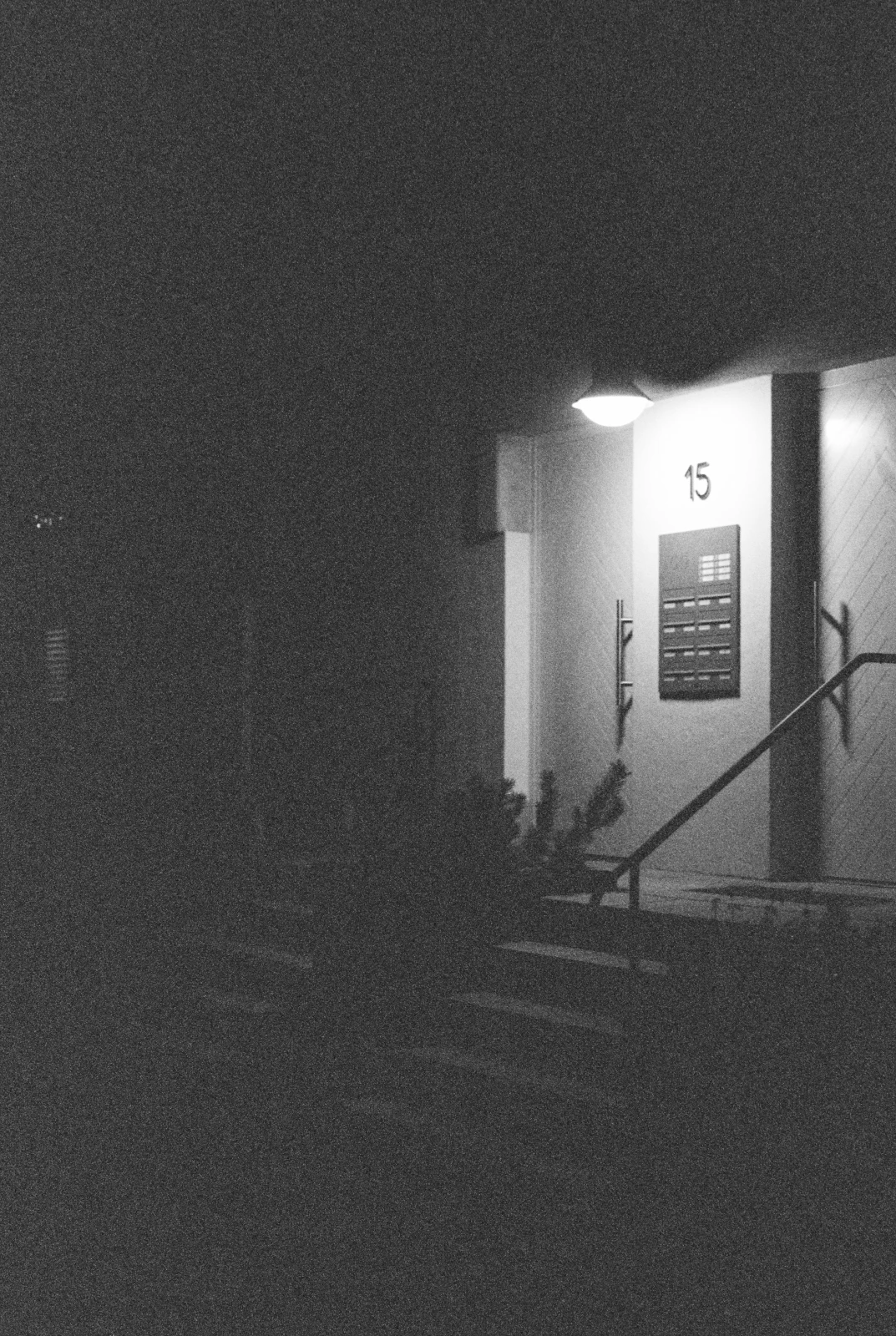
Most property crime happens after dark. This is not surprising. Darkness provides cover, reduces the chance of being seen by passers-by, and typically means fewer people are around to intervene. For commercial and vacant properties, the period between dusk and dawn is when vulnerability peaks. Understanding why night-time presents specific risks, and what you can do about them, is fundamental to any serious property security strategy.
Why Night-Time Is the Highest-Risk Period
The statistics are consistent year after year. The majority of burglaries, break-ins, and acts of vandalism against commercial premises occur between 10pm and 5am. There are several practical reasons for this:
- Reduced natural surveillance. During business hours, neighbouring properties, passing pedestrians, and traffic provide a level of passive oversight. At night, this drops significantly. An intruder can approach a building, force entry, and spend time inside with far less chance of being noticed.
- Slower response times. If an alarm triggers at 2am, the keyholder may take longer to respond than they would during the day. Police response times for commercial burglary also tend to be longer overnight, particularly in areas where resources are stretched.
- Empty buildings. Most commercial properties are unoccupied at night. There is nobody inside to hear a window break or see a torch beam. Vacant properties face this risk around the clock, but it intensifies after dark.
- Concealment. Poor or absent lighting around a building creates blind spots where intruders can work unobserved. Even well-lit streets often have dark areas around the sides and rear of buildings that are not visible from the road.
Accepting that night-time is inherently higher risk does not mean you are powerless. It means you need to design your security measures with the specific challenges of darkness in mind.
Lighting: Your First Line of Defence
Good lighting is the single most cost-effective night-time security measure. It removes the cover that darkness provides, makes CCTV footage usable, and signals that a property is actively managed rather than neglected.
Motion-activated lighting is particularly effective. A sudden flood of light when someone approaches a building is a powerful psychological deterrent. It tells the intruder they have been detected, even if no camera or alarm is involved. Motion-activated lights also conserve energy and reduce light pollution compared to lights that run all night.
Timer-based lighting serves a different purpose. Interior lights on timers can create the impression of occupancy in a vacant or unattended building. Exterior lights on timers ensure consistent illumination during the critical hours without relying on motion sensors. A combination of both approaches often works best: timed lights for baseline illumination and motion-activated floods for detection and deterrence.
When planning lighting, pay attention to the areas that intruders actually target. Main entrances are usually already well-lit. The vulnerable spots tend to be side passages, rear doors, loading bays, flat roofs, and perimeter fencing. Walk the full boundary of your property after dark and note where the shadows fall. Those are the areas that need attention.
Night-Vision CCTV
A CCTV system that only produces clear footage during daylight hours is a system that fails you when you need it most. Modern security cameras designed for commercial use include infrared or low-light imaging as standard, and the quality of night-time footage has improved dramatically in recent years.
Infrared cameras use LED emitters that are invisible to the human eye but illuminate the scene for the camera sensor. The resulting footage is typically black and white but detailed enough to identify individuals and their actions. More advanced cameras with starlight sensors can produce colour footage in extremely low light conditions, which is significantly more useful for identification and evidence purposes.
For night-time security, camera placement matters even more than during the day. Position cameras to cover entry points, perimeter boundaries, and any areas where lighting is limited. Ensure that cameras are not pointed directly at light sources, which causes glare and washes out the footage. If you are investing in monitored CCTV, the monitoring centre needs to be able to see clearly at 3am, not just 3pm.
Security Patrols vs Static Guards at Night
Human presence remains the strongest deterrent, and at night its value increases. But there are different ways to deploy security personnel overnight, and the right choice depends on the level of risk and the nature of the property.
Static night guards are on-site throughout the night. They patrol the building internally, monitor CCTV feeds, respond immediately to any incident, and provide a visible deterrent to anyone approaching the property. This is the highest level of protection and the most expensive. It is typically justified for high-value commercial sites, properties under active threat, or large multi-building estates.
Mobile patrols involve a security officer visiting the property at set or random intervals during the night. A typical patrol schedule might include three to four visits between 10pm and 6am. The officer checks the perimeter, tests doors and windows, looks for signs of disturbance, and reports any issues. Mobile patrols are more affordable than static guards and the unpredictable timing makes it harder for intruders to identify safe windows to operate.
For many commercial properties, a combination of technology and mobile patrols offers the best balance of effectiveness and cost. Monitored CCTV provides continuous oversight, while patrols add a physical presence and the ability to check things that cameras cannot see, like a door that has been left unlocked or a fence panel that has been loosened.
Noise Detection and Perimeter Alarms
Sound can be a powerful detection tool at night, when ambient noise levels are low. Audio analytics technology can distinguish between normal environmental sounds and the specific sounds associated with a break-in: glass breaking, metal cutting, forced entry on a door, or even raised voices.
When integrated with a CCTV system, audio detection triggers a camera to focus on the source of the sound, alerting operators in a monitoring centre who can then verify whether a genuine incident is taking place. This reduces false alarms and speeds up the verification process, which in turn speeds up the response.
Perimeter alarms add another layer. Beam detectors, fence-mounted sensors, and ground vibration sensors can detect an intruder before they reach the building itself. The earlier a breach is detected, the more time there is to respond. A perimeter alarm that triggers when someone climbs a fence gives you minutes of warning. An alarm that only triggers when a door is forced gives you seconds.
Combining Measures for Effective Night Security
No single measure is sufficient on its own. The most effective night-time security strategies layer multiple measures so that each one compensates for the limitations of the others:
- Lighting removes cover and makes other measures more effective.
- Perimeter detection provides early warning before an intruder reaches the building.
- Night-vision CCTV provides visual verification and evidence.
- Alarm systems alert monitoring centres and trigger response protocols.
- Security patrols provide physical presence and the ability to respond on-site.
The specific combination depends on the property. A small office in a busy high street may only need good lighting, a monitored alarm, and CCTV. A large warehouse on an isolated industrial estate will likely need all of the above plus perimeter detection and regular night patrols.
Whatever the setup, the goal is the same: detect a threat early, verify it quickly, and respond before damage is done. Get that sequence right, and your property is protected regardless of how dark it gets outside.
Need Help with Night-Time Security?
We can assess your property's after-dark vulnerabilities and recommend a security plan that works around the clock.