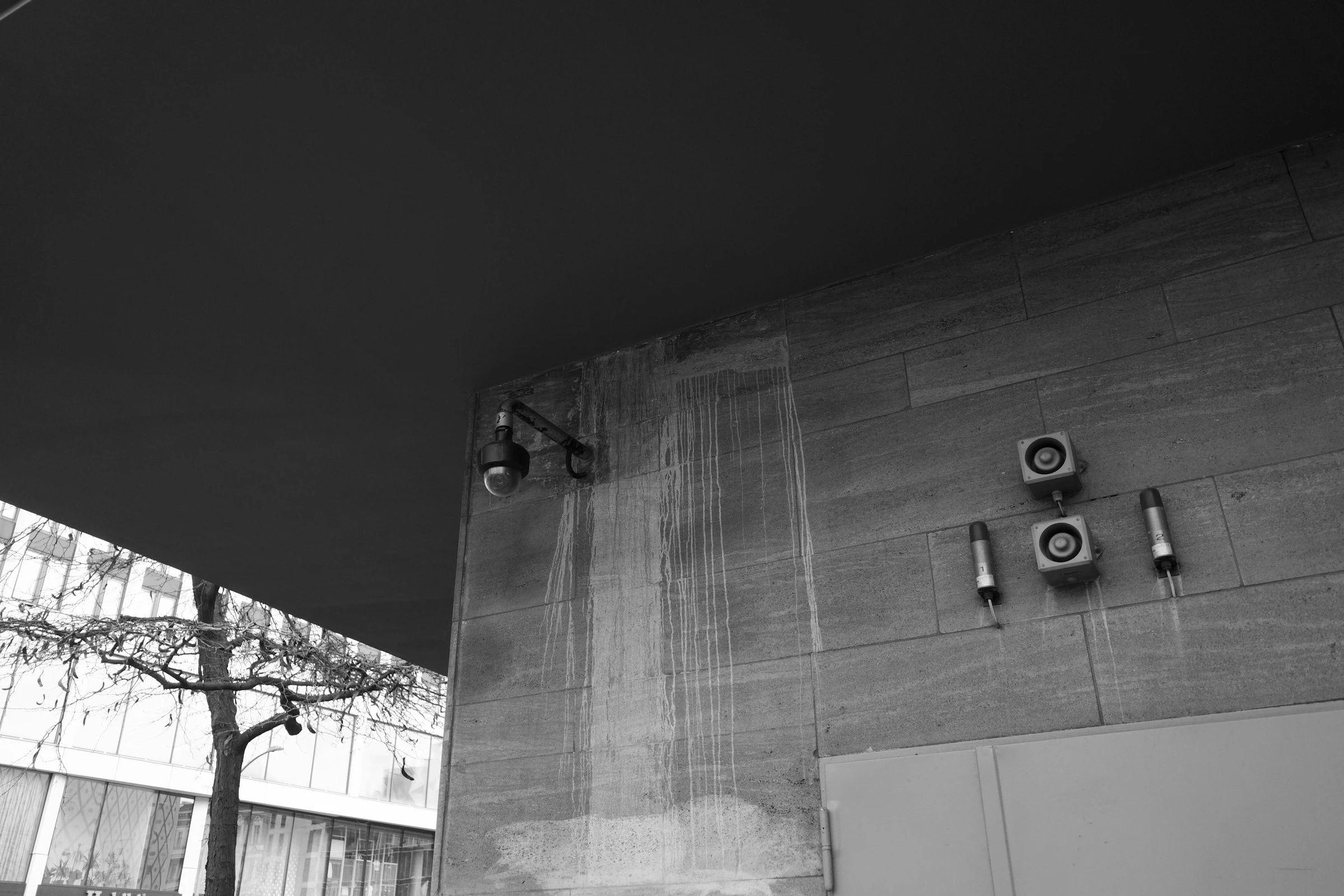
Metal theft costs the UK economy hundreds of millions of pounds each year. Vacant buildings are among the most frequently targeted, and the damage caused often far exceeds the value of the metal stolen. A thief who strips a few hundred pounds' worth of copper piping can leave behind tens of thousands of pounds in flood damage. Lead stolen from a church roof can result in repair bills exceeding six figures. For anyone responsible for a vacant building, metal theft prevention should be a priority from the day the property becomes empty.
What Gets Stolen and Why
The metals most commonly targeted are lead, copper, and aluminium. Each has a ready resale market through scrap metal dealers, and each is found in abundance in UK buildings.
Lead. Lead roofing, flashings, and valley gutters are the primary targets. Churches, older residential properties, and historic buildings are particularly vulnerable because they tend to have large quantities of lead on the roof. Stripping lead from a roof also exposes the building to water ingress, which causes progressive damage to the structure, interiors, and any remaining fixtures.
Copper. Copper piping, hot water cylinders, and electrical wiring are all valuable. Thieves will strip internal plumbing and wiring from vacant buildings, often causing significant structural damage in the process. Removing copper wiring can also create a fire risk if the electrical supply has not been properly isolated.
Aluminium and other metals. Aluminium window frames, steel beams, cast iron guttering, and even brass door fittings can all be targeted. While these materials have a lower scrap value per kilogram than copper or lead, they are often easier to access and can be removed quickly.
Vacant buildings are attractive to metal thieves for straightforward reasons. Nobody is present to witness the theft. There is time to work undisturbed, often returning multiple times to strip a building systematically. And the signs of a vacancy, such as boarded windows, overgrown grounds, and accumulated post, are easy to spot.
The Scrap Metal Dealers Act 2013
The Scrap Metal Dealers Act 2013 was introduced specifically to combat metal theft. The Act requires all scrap metal dealers to hold a licence issued by their local authority. It abolished cash payments for scrap metal, meaning all transactions must be made by cheque or electronic transfer, creating a traceable record. Dealers must also verify the identity of anyone selling scrap metal and keep detailed records of all transactions.
The Act has had a measurable impact. Metal theft offences fell significantly in the years following its introduction, as the cashless payment requirement made it harder for thieves to sell stolen metal anonymously. However, metal theft has not been eliminated. Unlicensed dealers still operate, and some stolen metal is exported rather than sold domestically. The legislation has raised the barrier, but it has not removed the risk entirely.
Prevention Measures That Work
Effective metal theft prevention combines physical security, technology, and proactive management. No single measure is sufficient on its own, but together they create a layered defence that makes a building a harder and less attractive target.
CCTV with remote monitoring. Visible CCTV cameras are a proven deterrent. For vacant buildings, wireless, battery-powered or solar-powered CCTV units are ideal because they do not depend on mains power, which may have been disconnected. The real value comes from remote monitoring. When a camera detects motion, a monitoring centre receives the alert, verifies whether it is a genuine intrusion, and can dispatch a response or contact the police. This turns a passive recording device into an active security measure.
Motion sensors and intruder alarms. Perimeter motion sensors can detect activity around the building before anyone reaches the roof or gains entry. When linked to a monitored alarm system, these sensors trigger an immediate response. Roof-mounted vibration sensors are also available and can detect the physical disturbance of someone removing lead or other roof metals.
SmartWater and forensic marking. Forensic marking products such as SmartWater can be applied to lead, copper, and other metals. Each application contains a unique forensic code that links the marked material to a specific property. If stolen metal is recovered, forensic analysis can identify where it came from and link it to a specific theft. The visible presence of SmartWater signage also acts as a deterrent, as thieves know that marked metal is harder to sell and easier to trace.
Remove accessible metals before vacancy. If a building is going to be vacant for an extended period and contains valuable metals that are not structurally essential, consider removing them before the property becomes empty. Copper piping can be drained and removed, hot water cylinders can be taken out, and loose or easily accessible metals can be stored securely off-site. This eliminates the target entirely, which is the most reliable form of prevention.
Physical security. Secure all access points to the building and the roof. Lock roof access hatches. If scaffolding is present, secure it with anti-climb measures or remove it if it is no longer needed. Install anti-climb paint or fencing around areas that provide roof access. Steel screens on windows and doors prevent entry to the building interior where internal metals are located.
Lighting. Motion-activated lighting around the perimeter of the building and on potential access routes to the roof makes the site less attractive to thieves who depend on working undetected. Solar-powered security lights are available for sites without mains power.
Insurance Implications
Metal theft has direct insurance consequences. Many vacant property insurance policies either exclude theft entirely or impose strict conditions around the level of security that must be in place. If your policy does cover theft, it will almost certainly require you to have taken reasonable steps to prevent it. A claim for lead stolen from a roof will be difficult to sustain if the building had no security measures, no CCTV, and no record of regular inspections.
Conversely, having demonstrable security measures in place strengthens your position with insurers. Monitored CCTV, intruder alarms, and forensic marking all show that you have taken the risk seriously and acted to mitigate it. Some insurers specifically ask about these measures when quoting for vacant property cover, and their presence can reduce premiums.
The secondary damage caused by metal theft is often the larger financial concern. Water damage following the removal of lead roofing can be catastrophic, and escape of water from stripped plumbing is one of the most common and expensive claims on vacant properties. Even if the stolen metal itself is worth relatively little, the consequential damage can be enormous.
Reporting Metal Theft
If metal theft does occur, report it to the police immediately. Metal theft is a criminal offence, and prompt reporting increases the chances of recovery and prosecution. Provide as much detail as possible, including the type and estimated quantity of metal taken, any CCTV footage, and whether the metal was forensically marked.
Report the theft to your insurer as soon as possible. Document the damage with photographs and keep records of any emergency repairs needed to make the building weatherproof or safe. If lead has been removed from the roof, temporary weatherproofing is urgent to prevent water damage from compounding the loss.
You can also report suspicious activity at scrap metal dealers to your local authority or to Crimestoppers anonymously. Intelligence from the public has been instrumental in identifying unlicensed dealers and disrupting the market for stolen metal.
Protect Your Vacant Building from Metal Theft
We install monitored CCTV, alarm systems, and security solutions tailored to vacant properties.